Discover the Key Offerings Offered by a Landscaper for Your Property.
Gardening professionals supply various crucial offerings that improve the beauty and utility of exterior areas. Their expertise spans from outdoor layout and planting projects to ongoing lawn care and structural outdoor elements. Each service is essential in building a unified space suited for the homeowner's goals. Knowing these services can drastically change the overall appeal and home value. What kind of work could transform your outdoor area?
Outdoor Layout and Strategy
Good yard design is essential for building a balanced exterior area that improves both beauty and utility. This process involves determining the particular goals and goals of the homeowner, as well as considering the characteristics of the site, such as soil type, sunlight, and climate. A professional designer copyrightines these components to create a cohesive design that incorporates elements like practical advice pathways, ponds and fountains, and resting spots
The designer ensures that the design fits the structure of the home while adhering to local regulations and ecological concerns. Utilizing principles of balance, proportion, and unity, the professional creates a landscape that is visually appealing and functional for daily life - Navarre Landscaper. By thoughtfully selecting materials and plants that thrive in the given environment, the landscaper lays the foundation for a long-lasting and welcoming yard that can be appreciated throughout the seasons, improving the total well-being for the residents
Planting New Gardens and Beds
Installing gardens and planting demand close attention of choosing the right plants and soil preparation techniques. Choosing the right plants makes certain they match with the area's environment and ground quality, while adequate ground work promotes healthy growth. Together, these factors help create a flourishing garden.
Methods for Choosing Plants
How can homeowners guarantee that their gardens flourish with varied flora? Smart selection techniques are necessary for getting colorful and enduring yards. Gardeners need to start by evaluating the regional weather patterns and the unique characteristics of the yard, such as sunlight, moisture levels, and the kind of earth. Furthermore, opting for indigenous species helps improve the variety of life and cut down on necessary care. Using a blend of shrubs, annuals, and perennials offers constant aesthetic value and sustain the area's fauna. It is recommended that homeowners to think about plant height, hue, and feel to create visually appealing arrangements. Consulting with a professional landscaper can also provide valuable insights into optimal groupings of plants and timing for planting throughout the year that suit the specific conditions of the garden.
Approaches to Soil Conditioning
Readying the earth is a vital stage in making sure the garden planting succeeds and establishing the plants. The procedure starts with soil testing to assess pH levels and nutrient content, which informs necessary amendments. The professional might suggest incorporating organic material, such as compost or well-rotted manure, to improve the earth's composition and fertility. Cultivating the ground allows air in, breaking up compacted areas and promoting root development. Moreover, proper drainage must be established to prevent waterlogging, which is detrimental to flora. The landscaper will also remove any debris, weeds, or rocks that might impede plant progress. Finally, smoothing the earth ensures an even surface for planting, which establishes the basis for a flourishing landscape. Every method plays a part to the well-being and output of the landscape.
Lawn Upkeep and Management
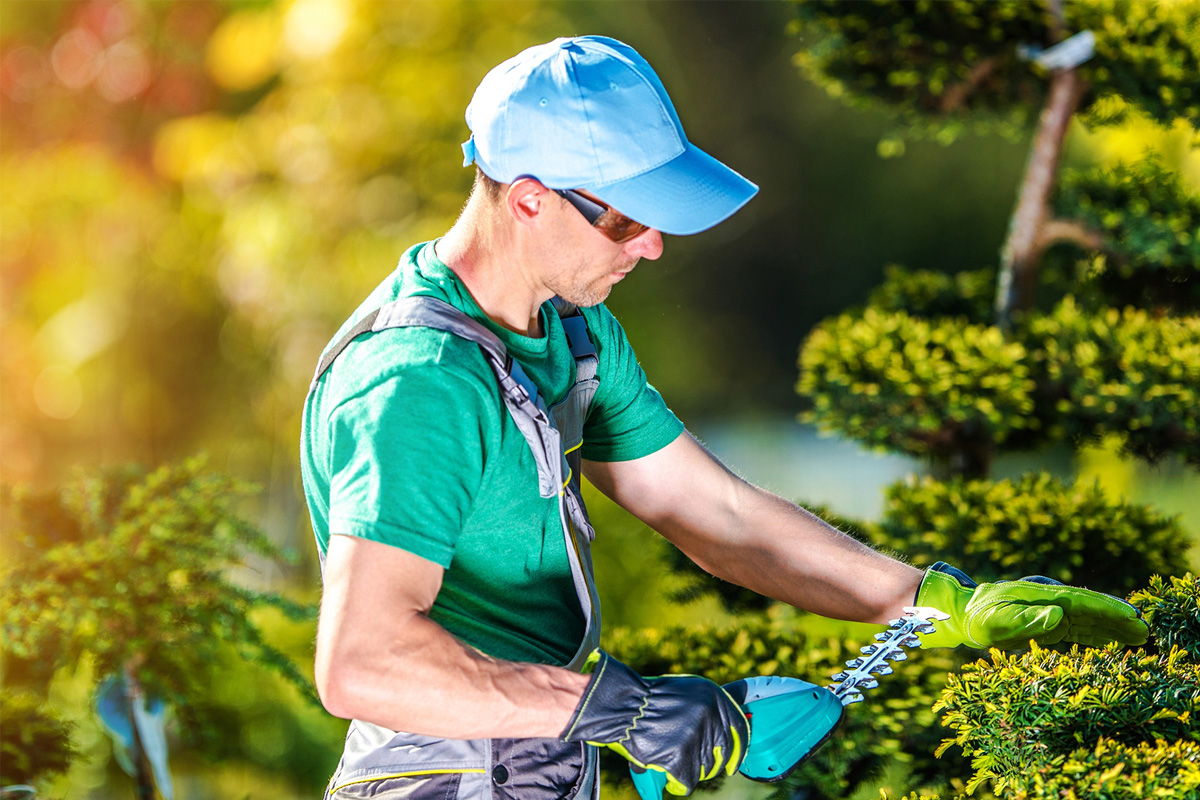
Taking care of the lawn encompass essential practices that guarantee a healthy and vibrant lawn. Crucial components feature mowing and trimming techniques, proper fertilization for soil health, and successful approaches to manage weeds. Understanding these elements will significantly improve the visual appeal and duration of home gardens.
Mowing and Trimming Techniques
Regarding the upkeep of a flawless exterior area, proper methods for trimming and mowing are necessary to foster healthy grass growth and enhancing the overall appearance of a garden. Regular mowing inhibits weed establishment and fosters robust, rich growth. A height of 2.5 to 3 inches is ideal for most kinds of grass, as this supports more profound root growth. Furthermore, using sharp mower blades guarantees clean cuts, minimizing damage to the turf. Edging and trimming borders provides a refined appearance, while also preventing overgrowth that can spill onto garden beds and walkways. Gardeners typically utilize diverse mowing paths when mowing to prevent the soil from becoming compressed and encourage uniform development. Ultimately, these techniques help create a lively and well-maintained landscape.
Fertilization and Soil Health
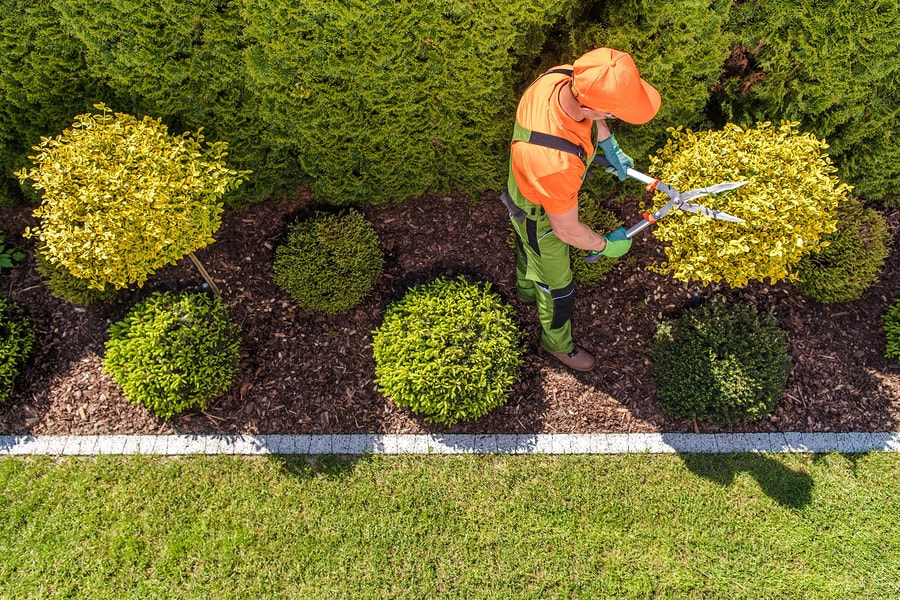
Although often overlooked, fertilization plays an essential role in preserving the vitality of the soil and ensuring a vibrant landscape. A professional landscaper knows the value of supplying the necessary elements to the ground, which aids in botanical development and improves the garden's overall health. Landscapers analyze the soil structure and determine the necessary amendments, selecting fertilizers that promote the perfect balance of nutrients for specific plants. This customized method aids in fixing nutritional gaps, fostering stronger roots, and improving drought resistance. In addition, proper fertilization practices can enhance soil structure, encouraging air circulation and moisture holding capacity. By ensuring the soil is robust, landscapers foster vibrant grass and thriving flower beds, resulting in a healthier, long-lasting system. Regular fertilization, consequently, is a key component of good grass maintenance and upkeep methods.
Weed Control Strategies
Effective weed control strategies are essential for maintaining a vibrant and appealing yard, as undesirable species can swiftly overtake desired species for resources. Gardeners frequently use a blend of proactive and responsive techniques to control weeds successfully. Mulching is a popular approach, as it inhibits the development of weeds while boosting moisture retention in the soil. Regular mowing and trimming can also aid in curbing the expansion of unwanted plants by preventing them from flowering and seeding. Additionally, herbicides may be used selectively to target specific species without harming desirable plants. Integrated Pest Management (IPM) approaches are becoming more popular, which integrate cultural practices, mechanical removal, and chemical options to achieve a balanced strategy. By implementing these strategies, landscapers guarantee the longevity and aesthetic appeal of gardens and lawns.
Hardscape Design
Hardscaping elements are crucial in enhancing the functionality and beauty of outdoor spaces. They include retaining walls, patios, and walkways, and ornamental structures that offer structure and organization to landscapes. Through the incorporation of materials such as stone, brick, and concrete, hardscaping produces durable surfaces that facilitate various outdoor activities, such as gardening or entertaining guests.
Furthermore, hardscape features can define spaces, directing traffic and establishing focal points in the landscape. Effective hardscaping can also reduce soil erosion and improve drainage, leading to a healthier landscape.
Landscapers frequently collaborate with homeowners to develop bespoke hardscaping designs that match existing features and satisfy particular needs. This partnership ensures that the hardscaping not only improves the beauty of the property but also aligns with the homeowner's lifestyle and desires. Ultimately, hardscaping is an essential component of landscape design that provides both utility and visual interest.
Irrigation and Drainage Systems
Watering and drainage systems are essential components of landscape management, ensuring that plants receive adequate water and avoiding too much moisture that can lead to root rot and related issues. Landscapers install and design various irrigation systems, like soaker hoses, drip, and sprinkler systems, tailored to the specific needs of the garden. These systems maximize water efficiency, promoting healthy plant growth and conserving resources.
Drainage systems, on the other hand, are crucial for controlling excess water runoff. Landscapers copyrightine the area to pinpoint locations where water tends to accumulate, and put in place solutions such as grading adjustments, catch basins, and French drains. Proper drainage prevents erosion and safeguards the integrity of hardscaping features. Together, these systems create a balanced environment, ensuring that gardens thrive and reducing the risks caused by water buildup, thus improving the overall aesthetic and function of exterior areas.
Seasonal Cleanup and Preparation
A thorough seasonal cleanup is essential for maintaining the health and beauty of home gardens. As seasons change, landscapes require attention to remove debris, dead plants, and fallen leaves that can harbor pests and diseases. Landscapers conduct these cleanups to prepare gardens for the upcoming season, guaranteeing that soil and plants can thrive.
In spring, they clear out winter remnants, allowing new growth to flourish. During fall, they focus on removing dead foliage and prepping gardens for winter dormancy. This process often includes mulching, which protects plants and suppresses weeds.
Additionally, landscapers can assist in evaluating plant health and recommending necessary treatments or replacements. They may also check irrigation systems to confirm proper functionality, preventing water waste and promoting plant vigor. Ultimately, seasonal cleanup and preparation not only enhance the garden’s appearance but also set a strong foundation for future growth and sustainability.
Outdoor Lighting and Aesthetic Enhancements
While many homeowners focus on plants and structures, outdoor lighting and aesthetic enhancements play an essential role in transforming gardens and landscapes into inviting spaces (Navarre Landscaper). Strategic lighting not only illuminates pathways and highlights architectural features but also creates a warm ambiance for evening gatherings. A skilled landscaper can recommend various fixtures, such as solar lights, lanterns, or spotlights, tailored to enhance the home’s unique style
In addition to lighting, aesthetic enhancements such as decorative stones, sculptures, or water features can further elevate the visual appeal of outdoor areas. These elements provide focal points that draw the eye and create a cohesive design. By integrating both lighting and aesthetic enhancements, a landscaper helps homeowners cultivate a serene outdoor environment that is functional and aesthetically pleasing. Ultimately, these services contribute greatly to the overall enjoyment and value of residential properties, allowing outdoor spaces to shine both day and night
Frequently Asked Questions
How Do I Choose the Right Landscaper for My Project?
To choose the right landscaper, one should research local options, check reviews, request quotes, verify credentials, assess portfolios, and guarantee clear communication. This process facilitates secure a professional who aligns with the exact demands and anticipated results of the project.
What Is the Average Cost for Landscape Maintenance?
The typical price for professional landscaping usually falls between $1,000 to $5,000, based on the intricacy of the job, the geographical area, and the components employed. Property owners need to secure several estimates to ensure they receive fair pricing and quality service.
How Much Time Does an Average Landscaping Job Require?
An average landscaping job might require a few days to several weeks, based on how complicated the job is, its scope, and the particular services requested. Navarre Landscaper. Elements like the climate and the availability of materials might also impact how long it takes
Do Landscaping Companies Handle Post-Installation Upkeep?
In most cases, yes, landscapers usually include post-installation support and maintenance. This continued service covers duties like cutting the lawn, trimming plants, applying fertilizer, and managing pests to preserve the look and well-being of the garden are maintained long-term.
Can I Handle My Landscape Design Without Professional Help?
Of course, homeowners may develop their own landscape plans, by making use of different tools like literature, web applications, and copyrightples from established landscapes. Nonetheless, expert advice may enhance the outcome and ensure the concepts are implemented practically.